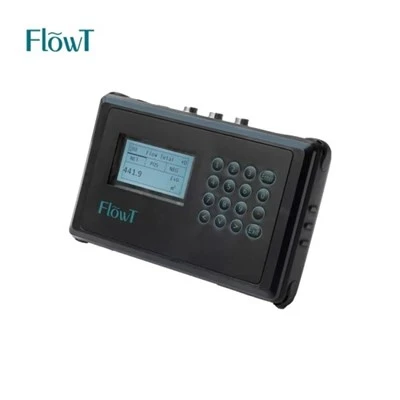
As flow rate is a dynamic quantity, the measuring instrument itself is affected by numerous factors, such as: pipe, diameter size, shape (circular, rectangular), boundary conditions, physical properties of the medium (temperature, pressure, density, viscosity, dirtiness, corrosiveness, etc.), flow state of the fluid (turbulent state, velocity distribution, etc.), as well as installation conditions and level. Facing over a dozen types and hundreds of varieties of flow meters both at home and abroad (such as volumetric, differential pressure, turbine, area, electromagnetic, ultrasonic and thermal flow meters that have developed successively), how to rationally select the type based on factors such as flow rate, flow state, installation requirements and environmental conditions, and economy is the prerequisite and foundation for the good application of flow meters. In general, The principle of choosing a flowmeter is first to have a profound understanding of the structural principles and fluid characteristics of various flowmeters, and at the same time, to make a selection based on the specific conditions of the site and the surrounding environmental conditions. In addition to choosing high-performance flow meters, it is also necessary to strike a balance between cost and benefit to ensure that O tipo selecionado está de acordo com a realidade econômica . diferentes tipos de medidores de fluxo são adequados para diferentes estados de fluxo e requisitos de medição . em circunstâncias normais, a seleção deve ser feita principalmente dos quatro aspectos a seguir:
① Requisitos de desempenho para medidores de fluxo;
② Características do fluido;
③ Requisitos de instalação;
④ Condições ambientais .